Two MSP veterans who migrated from ConnectWise to Syncro share what drove the decision, how the migration went, and what changed in their daily operations afterward. This webinar covers “the concept of achievable power” why the most powerful platform is not always the right platform, and what MSPs gain when complexity drops out of their toolstack.
Key Topics Covered
- Why MSPs initially chose ConnectWise and what specific issues accumulated over time
- Multi-year contract lock-in (three to five years) and its impact on platform decisions
- The gap between ConnectWise demo presentations and the actual out-of-box experience
- Dedicated staff time required to maintain and tune ConnectWise for small and mid-sized MSPs
- ConnectWise support responsiveness, account rep turnover, and a critical agent uninstall incident
- Billing discrepancies and collections pressure while credit disputes remained unresolved
- ConnectWise product strategy confusion with the Automate to Command/Continuum transition
- How MSPs evaluated Syncro against competitors including Atera, SuperOps, Datto, and NinjaOne
- Syncro’s migration process, data transfer expectations, and handling large ticket histories
- Time savings after migration, from hours per week maintaining ConnectWise to nearly zero on Syncro
- Syncro features that delivered on what ConnectWise promised but never fully provided
Why MSPs Initially Chose ConnectWise
Both MSPs chose ConnectWise for sound reasons at the time. DLL Techs, a Southern California MSP with a team of five to seven, was coming off AutoTask and wanted a more modern interface with better scripting and patch management. The ConnectWise demo showed impressive capabilities, and the platform appeared to offer everything they needed under one roof.
August eTech, a New Jersey MSP serving clients up to 300 endpoints with a biopharmaceutical compliance specialty, chose ConnectWise because it was one of only two platforms at the time that offered a complete ecosystem: RMM, PSA, ticketing, and chat in a single package. The all-in-one model was exactly what they were looking for.
What Went Wrong: Complexity, Contracts, Support, and Billing
The problems accumulated across multiple dimensions rather than a single breaking point.
ConnectWise’s complexity required dedicated staff time to maintain. Both MSPs described needing to assign rotating responsibility for ConnectWise configuration, alert tuning, and flow management. One MSP argued directly with ConnectWise that maintaining the platform should not be a full-time job, and that MSPs of their size could not absorb that overhead. Alert fatigue was severe, with one MSP accumulating 786,000 alerts that had to be manually purged.
Contract lock-in prevented quick exits. One MSP was initially offered a five-year contract before negotiating down to three. The other was consistently on three-year rotations. Both noted that the lock-in created a dynamic where ConnectWise did not have to earn their business month to month.
Support was unresponsive and dismissive of MSP expertise. One MSP had seven different account reps in three years. The other described a critical incident where he identified a documentation error, warned a ConnectWise technician not to proceed, and the technician pressed the button anyway, causing one-third of their agents to uninstall. When escalated to the highest levels, the response was inadequate.
Billing discrepancies compounded over time. One MSP was consistently overbilled for endpoints and devices. Credits were promised but never applied. Meanwhile, the billing department sent overdue notices for the inflated amounts. The disconnect between support, billing, and account management created a breakdown in trust.
Product strategy added uncertainty. One MSP was approached by ConnectWise sales about a new product (Command/Continuum) shortly after deploying on Automate. The implication that ConnectWise’s investment was shifting to a different product raised questions about whether the platform they were on would continue to receive adequate support and development.
Evaluating Syncro: What Made It Stand Out
Both MSPs evaluated multiple alternatives before choosing Syncro. DLL Techs looked at Atera, SuperOps, and several other platforms across the size spectrum. August eTech researched broadly, took demos from every competitor, and approached the process with heightened skepticism after being burned by ConnectWise demos.
Three factors differentiated Syncro during the evaluation process.
Information accessibility: Syncro’s pricing, feature information, and workflow videos were publicly available without requiring a sales conversation. ConnectWise’s product information required signing up for a sales lead. Multiple competitors told them to sign up for a trial first and talk later, which was not acceptable to MSPs who had specific questions before investing time.
Sales experience: Both MSPs described Syncro’s sales process as feeling like a conversation with a colleague rather than a sales pitch. Syncro did not push toward a trial before answering questions. When one MSP needed his CEO to also evaluate the platform, Syncro brought in senior salespeople to match the conversation level without being asked.
No pressure: Neither MSP felt rushed or pushed toward a commitment. Syncro extended trial periods to accommodate their schedules and let them work at their own pace. This was described as the opposite of the ConnectWise experience.
Migration Process
Both migrations were described as smooth, with the critical differentiator being transparency about limitations.
Syncro’s team told both MSPs upfront which data would transfer cleanly and which would not. Data that would not migrate was flagged in advance so the MSP could manually back it up (typically to PDF) before leaving ConnectWise. Both MSPs cited this honesty as a major trust builder, noting that it was far better to know limitations in advance than to discover missing data mid-migration.
August eTech hit a technical challenge due to the sheer volume of their ConnectWise data. The ConnectWise API had rate limits that prevented transferring their full ticket history in a single pass. The Syncro engineering team worked directly with Michael to diagnose the issue, ultimately identifying that purging 786,000 obsolete alerts from ConnectWise resolved the API bottleneck. The MSP described the Syncro engineers as genuinely engaged and excited to solve the problem collaboratively.
Life After Migration: Time Savings and Daily Operations
The most consistent theme across both MSPs was recovered time.
DLL Techs’ IT Manager estimated that the migration to Syncro effectively gave him back one employee’s worth of productive time. Where ConnectWise required rotating staff through maintenance and configuration duties, Syncro required virtually no ongoing platform management. He described it as working in Syncro rather than working on it.
August eTech’s Director of Operations estimated saving approximately two hours per day that had previously been spent on ConnectWise maintenance, tweaking, error resolution, and workarounds. After the initial Syncro setup, which took only a few days, neither he nor his team performed any significant tweaking. The only ongoing platform work was building reports using Syncro’s report builder, which he described as fun rather than a chore.
Both MSPs reported that their teams adapted to Syncro within a day or less, with technicians immediately customizing the ticket board and exploring features independently. One MSP was confident enough in the platform’s intuitiveness to tell an employee with no prior quoting experience to simply open the quoting tool and figure it out. The employee did, without issues.
Product Features Covered in This Webinar
- Month-to-month billing with no contracts
- Integrated RMM, PSA, and remote access in a single platform with one login
- Ticketing with customizable boards, hashtag sorting, and grouping
- Real-time dashboard for wall-mounted displays with color-coded ticket status
- Integrated chat function tied to tickets, endpoints, and customer records
- Customer portal with MFA support
- Quoting and invoicing with intuitive dropdown-based interface
- Report builder with copy-paste database identifiers for custom reports
- Customizable email templates for ticket notifications
- Asset management linked to RMM data
- Splashtop remote access integration
- Over 50 third-party integrations (Pax 8, IT Glue, Hudu, ScalePad)
- Per-technician pricing with unlimited endpoints
Andy Cormier: Hello, everyone. My name is Andy Cormier. I’m the partner development director at Syncro and author of “So you want to be an MSP”. Today, we’re going to talk about the wiser choice. Well, you’ll hear from MSPs that have made the switch from ConnectWise over to Syncro one of the most pivotal decisions you can make as an MSP Are the tools you will put into place to run and grow your business, none being more important than your rm, and your PSA. These 2 fundamental tools are the foundation for everything you build next. Now, the vast majority of us are tech people by trade, so logic would dictate. You go and grab the biggest, baddest platform out there, the more power, the better. Right? Well, that’s one of the things that we’re gonna talk about today. And I like to call that achievable power. And here’s what I mean by that. If a platform can successfully run an MSP With hundreds and hundreds of technicians. The level of power required to do so competently is absolutely enormous. So the question becomes, is that level of power actually attainable for my specific. MSP so today, we’ve brought on 2 MSP veterans who have made the transition from ConnectWise to Syncro. And we’re going to dive into what led them to making that decision. How they’ve fared since completing a successful migration off of ConnectWise and any advice they might have for other MSPs. Finding themselves in a similar position. Now, before I introduce our attendees. There’s 2 things I wanted to mention here, upfront first. We’ll absolutely be doing QA. For those in attendance toward the back half of the webinar, and you could submit your questions using the QA. Right inside of zoom. You don’t have to wait until the end. You could start queuing them up right now if you wanted to. And second, we’re going to be offering a very special Syncro promotion for those in attendance today, and I’ll have some more details on that toward the end of the webinar. all right. So, joining me today, we have Christopher Fischer, it manager at DLL Techs, and Michael Paranich, Director of Operations at August eTech. Why don’t we we start with you all telling our audience a bit about your MSP Along with your background in general. And Christopher, you want to start us off.
Christopher Fischer: Okay, well, good morning, everyone. Thank you. Andy. My name’s Christopher Fischer with you all text the DLL Techs has been in business for going on 19 years now in Southern California. We kind of focus on the smaller end of the SMB market. Our clients tend to range in the 5 to 50 endpoint range no particular verticals. But we service just about everybody. We transition from your breakfast shop into that MSP Market, probably about 10 years ago. I’ve been with the company for the last 10.
Andy Cormier: Great and Michael.
Michael Paranich: How you doing so I’m with August etech. We’ve been in business since 2001 we have customers small to medium to large size, ranging from, say, 4 to 300 end users and we’re over here in Central New Jersey. One of the niches we work in is Bio Pharma. We do a fair amount of work with medical compliance, and work with everything from small to large customers in all of their needs, working with their every department they have, including Hipaa and FDA.
Andy Cormier: Well, thanks for both for the the introductions. And I know, Michael, I need to still get with you. Offline and dork out about the biopharma stuff, cause it’s just a it’s a cool vertical that we were never involved in in my MSP And I would definitely like to hear more about that.
Michael Paranich: Absolutely.
Andy Cormier: So let’s both talk about the MSP space as a whole for a minute. There, there’s obviously a lot of options out there, and and you know, in one way or another, everybody’s proclaiming to be the next panacea for your business. What was it specifically or initially about? ConnectWise that attracted you to them, particularly when you know there’s all these other choices available to you. Christopher, you want to start first.
Christopher Fischer: Okay. I think at the time, at the time when we were looking at ConnectWise, I was currently at. I was with Autotask at the time. And yeah, it was a good platform, and you know, we just it seemed a little dated for us, and there was some little issues that we’re having. So we’re just looking, always trying to find again. What’s that next best thing that’s gonna help us grow help provide a better service for our clients. And one of my text was doing a demo with ConnectWise, and we were looking at, and we the platform looked fabulous. I mean, I saw all these great tools, all this. They’re showing all these great things. And so like, Hey, I mean, that’s gonna be our next step. I think I like the interface. It looks a little bit more modern than what we were using. Can. That’s what kind of initially kind of grab me towards going to ConnectWise.
Andy Cormier: Okay. And, Michael, what first attracted you to ConnectWise.
Michael Paranich: So back then, and we were with ConnectWise for at least I’d say 6, 7 years back. Then you really only had 2 large players. and we were looking for an all inclusive. So we actually used their chat function as well as their ticketing function, as well as all their RMM tools. So for us it was a about communication, having everything kind of in one package, and at the time they were the only ones that really had everything built into one.
Andy Cormier: So it’s fair to say it was really like the entire ecosystem was what y’all were after.
Michael Paranich: 100%. We wanted everything to be in under one umbrella. one place to manage everything, one place to control all the licensing. We wanted everything to interact with each other, and to at the time connect. Wise was the best option.
Andy Cormier: Got you and Chris, for I’m gonna ask you this one specifically. Tell me a little bit about your buying experience. What did you feel good about? And what did you feel that might have been lacking during that initial sales process with kind of like.
Christopher Fischer: I guess this has been my first. This is whether I kind of had a first struggle, and then not to knock down, but just Initially, they wanted a 5 year commitment, and I know that’s kind of the next kind of question you’re going into. But that was, you know, I was like, no, a lot can happen in 5 years. I don’t know. And we’re promised that. You know you’re gonna be saving money. You’re gonna want to be with us forever. And so that was that. That’s what kind of was our my initial get to it? And then and the deployment of it. You know we were we we, I think we paid 5 K for de, you know, implementation for 5 technicians for my team. And yeah, I kind of struggled. But again we were promised this great tool, this important. Everything’s gonna be there for us. You’re gonna as close to single pane of glass as you’re gonna get. So that was why that was our first introduction to it with the sales process. It was a you know. I think. I was handed off to 3 different people during that process. And so it was. It was a little bit of a struggle.
Andy Cormier: In in my, I see smiling Michael. So God! I’ll just let you take it. Go ahead.
Michael Paranich: Chris, I’m I’m I apologize. I’m only laughing because, you know you don’t. You don’t realize how much pain you’re you’re having, you know. with everyone you know in in in common with everyone else, until you have one of these little groups. So we we did not have a 5 year. I I will tell you that for us that they believe they were only pushing 3 years at the time when we were doing it the onboarding ended up being sloppy. Unlike the demo, the onboarding was definitely difficult. We certainly found that a lot of the work had to be done by ourselves like you were saying with with turnover. I will tell you historically with ConnectWise. We’ve had nothing but turnover at every level. whether it be account whether it be accounting whether it be accounts payable. A tremendous amount of turnover over there. I I in through in the last 3 years I’ve had 7 different account reps. I never even know if anyone’s following up with any of the problems that I had. But again, very, very similar experience to what you had minimal guidance and most of the work we had to do ourselves. Obviously the demo was created to make it look a little bit easier than it actually was.
Christopher Fischer: Yeah, I mean, just to add to that real quick is like that was my problem. Is that that fabulous thing that I saw? I never got there, and that’s that was just like, Hey. this is not. This is, this is not right. It’s not the same.
Andy Cormier: Well, Christopher, so now now I’m curious. I I think I am gonna a a ask that question. So they tried to get you for 5 years. It sounds like initially, I’ve only ever heard of the 3. So that’s the first time I heard that. So that’s a lot, is it?
Christopher Fischer: Yeah.
Andy Cormier: What did you wind up doing? Did you have to kind of like negotiate that down? Or how did that process work.
Christopher Fischer: Yeah. So we we’re there. There’s like, 5 years, you know, we again, you know, you’re gonna save money. You’re not, you know. You’re not gonna want to switch platforms. And you know, my mind is like, I don’t want to do anything for 5 years. We finally got it down to 3, you know, 3 year, you know. It’s like, so I don’t know if they were just trying to try something out on us. I don’t know but it, you know. So 3 year commitment. Again. You know, the the sales side of our implementation was never set up. We learned that ourselves and basically put that in play. it it just again, like Michael was saying, that that demo that was put out there. But you know, and then. and and even spending, you know, 5 K and deployment for 4 users. I just I I never felt like we ever got rolled out correctly. All the tools for that. We’re supposed to help migrate and bring us. You know, everything. It’s smoothly over. It was rough. It was a rough transition.
Andy Cormier: Alright. And and Michael did. Did you go with 3 years, or did you negotiate that down.
Michael Paranich: No, no, I believe we went 3 yeah, we were consistently on kind of a 3 year rotation.
Andy Cormier: Okay. And I’m gonna ask you guys a follow up because both you guys said something to the line of you know it wasn’t. It didn’t necessarily wind up being what was demoed? Was it that was the Demo Selective, or was it that you felt afterward? You may have not asked the right questions, or or what was it that made it feel like? This looks really good. And then you’ve got on. And it felt different, like, what portion of it didn’t come out to be what you expected.
Christopher Fischer: For me, Christy. What.
Michael Paranich: I was. Gonna say, just I, I can tell you that having worked with with ConnectWise for years. not just the demos, the videos. Everything that they post up is already. let’s say, well tuned. And because of the system because of the size of the system, and what you get when you get a system like that. a lot of it because it can be individualized so much. they sort of leave you to set it up the way you want it to be. Unfortunately, they don’t really show you the bare bones. and your expectations are a little higher, you know. You kind of think out of the box. I’m going to be able to at least use it. And then over time I can. I could fine tune things. You don’t realize how bare bones, bare bones actually is.
Andy Cormier: Okay, yeah. You know, it’s it’s fun. Oh, go ahead, Christopher. I’m sorry.
Christopher Fischer: No, I was. Gonna say, it’s it’s very granular. I mean, there’s a lot you can do with it. I mean, that’s again. It’s a powerful tool, but to get to that fine tuned demo display it. It. It’s a lot, and I don’t think I ever got there. And again it could have been. I may not ask the right questions, because I expected it to be what I saw not. I had to build it and tune it to get to what I saw.
Michael Paranich: If I could, if I could. Just real quick on that. An argument I had with them many times over was, I have a full time. Job, you know. ConnectWise was not supposed to be a full time job. And again to Chris’s point. Yes, it’s a fantastic system. If you’re bringing. If you have a person dedicated to really spending the time to watching it. tweaking it, changing it. But that’s an additional cost that we. you know, most companies. Our sizes are not really interested in taking on. So then, what you end up with is spending a lot less time on it than what is needed to get it running where you want it to be. Or. as I said, you have somebody who has set more or less has a part time jobs worth of work just to maintain a system that is really not probably should never be marketed. Our sizes.
Andy Cormier: Yeah, you know that that’s interesting. Did you find that to Christopher that you needed to almost have someone dedicating part of their time to like maintaining the system where it’s like, Hey, we want to try this new flow. And it’s like, -oh, we need that. We need to figure out how that’s gonna work and who’s gonna be assigned to that and that kind of thing.
Christopher Fischer: Yeah. And for a team of my like myself, I mean at our largest we were 10. My, the deal I was it. So we averaging around 5 to 7 employees. So you can imagine that having this tool, and now even just managing alerts. notifications, the fatigue from that in the mornings of seeing this. Okay, just. you know, 300 alerts and trying to defi to decide whether they’re actual, actionable alerts or they just, you know, and then tweaking it a little bit more to see if I can get those to just, you know. Not be alerts, you know it. Just it was challenging. That’s yeah. I I I couldn’t, you know. And we hadn’t. Basically, you know, we we took turns, you know, hey, I’m I I can’t do this today. So you know, we just kind of swapped between our organization who was going to be on one portion of it, you know, and trying to. And we just can, I guess at. At the A. Midway point. We were just okay accepting how it was and and and when it got better it got better. But we were. We just didn’t have the time or the energy to get it to be right. And when we asked for help it just wasn’t there.
Andy Cormier: Michael? Did he run into similar experiences with like the support aspect of it or the I need help with this flow.
Michael Paranich: Well again. I hate to jump ahead because I know where we’re going with with with, you know. I I don’t wanna jump too far ahead. But.
Andy Cormier: That’s okay.
Michael Paranich: It’s it’s exactly the problem. And that’s exactly what started kind of this path that led us to Syncro right. I I specifically the the story that resonates the most with, especially with Connect. Wise was. you know, it became my responsibility to tweak a lot of ConnectWise to try to make it more usable. and I was reading through their knowledge database. I found a page that I thought looked like something we really wanted to use. I set 95% of it up and then realized something doesn’t look right. Don’t hit the start, button. Whatever you do, don’t hit the go. Don’t go. and I stopped, and I called them, and I explained to them what I found, and I told them what was wrong with with their instructions, and I told them why it didn’t look right. and after a conversation with a second they finally got a second Level tech, which took forever. After a conversation with a second Level Tech. They asked if they could remote to my computer, so I could show them. We went through all the steps. I showed them all the steps. We got to the final, and he said, No, that looks good, and he went ahead and started it. One third of my agents uninstalled themselves in a matter of under an hour. All of a sudden I went. My all my endpoints just started disappearing. I called them, but of course they don’t answer the phones. You have to leave messages. I emailed my account rep. they’re billing the tech. everybody on a giant CC. Explaining that my agents are uninstalling, and somebody needs to stop the hemorrhaging. I finally get a call back from the text, saying, Oh, I found it, and I stopped it. But they’re gone. I said, what do you mean? They’re gone like, how how do we reinstall? And again, short version is, I took this as high as humanly possible, rattled every chain, shook every tree to point out that you’re marketing this to an It company. And an it person said to you, this wasn’t going to work. But your bonehead. I’m sorry, but you’re a technician. Wanted to see what would happen when he pressed the button. and it just caused such a pain point that it was at that point that was really the final straw with their support. And oh. note the communication. The level of communication was too low. There wasn’t that trust when they trusted me as a customer to come to them with an actual problem. It’s like they sort of ignore what you tell them, because well, it’s not in their knowledge database.
Andy Cormier: Yeah, you know. So I think you answered the next question. I had.
Michael Paranich: Sorry about that.
Andy Cormier: No, no, that’s okay. Cause I think that’s great. Chris, I’m gonna ask it to you, because I really wanted to know, like, you know what was going through your head, or like what led up to that moment where you just said, you know what like enough is enough, or we? We just need to move on. We’re growing out of it, whatever it is. Where, like, what’s that key event where you said we need to look at shifting platforms.
Christopher Fischer: I didn’t have it. Fortunately I didn’t have in an experience like Michael had where you know our agents got uninstalled. But mine was more on the billing side. We we started, noticing that we were our bill was going up and up, and we were being bill over billed for endpoints and devices on on the platform. And again, oh, we’re gonna get it corrected. You’re gonna get a credit. And then it kept going. And it, you know, built it, you know. Then we’d get a call like you’re your payment is. Oh, you’re you’re overdue on your account, you know. It’s like the left hand didn’t know what the right hand was doing. We’re telling. They’re telling us. Oh, yeah, we’re going to take care of it. But then billing is still selling us a bill and saying that we’re not up to date. So we were like, we almost stopped paying for a minute, saying, Hey, look, you need to get this corrected. and then we’ll get back on track. And another thing kind of backing up a little bit. That kind of. I guess kind of struck me as odd is that I mean, shortly after we deployed. I started getting yeah. you know, sales calls from ConnectWise emails our new product, our command. Okay? So I’m on manage and control and using those run. So what’s this command? We’re talking? Well, it’s going to be our new product. Well, I just rolled out. Why wasn’t I? If this was your was the where you’re headed to in the future? This is going to be the big thing that you’re going to be investing in. Why am I not on it now? Why was I not told about this? I want to be on the the next Gen. Stuff not last, you know. And so it it almost made me feel like, if this is where your focus set. And maybe this is why I’m not getting the support on the product that I’m on. I don’t know. I’m not ConnectWise, but you know, that’s that led me the questioning. I was like, you know, where? Where is your focus? As an organization. you know. And and how does that leave us? Feeling. As you know your your client, you know, that’s using your product, relying on it. And how can we be confident if it feels like your focus is on a different product in your, in your platform.
Andy Cormier: Yeah. Now, when you say command, you’re talking about the that’s the continuum.
Christopher Fischer: Continuum, product yeah.
Andy Cormier: They’re basically taking over for automate at this point, right.
Christopher Fischer: Yeah.
Andy Cormier: Okay for an arm. Yeah. Gotcha.
Christopher Fischer: Yeah, so I was like, yeah, I was like, Oh, you know. And you know, they’re like, Yeah, this is, gonna be this. And this I’m like. So I I again. It was just I don’t know, and and that between that and the billing you know, that’s just kind of you know. Maybe this is this product is not right for us, you know, again, not saying it’s a bad product, but it’s not. Product is right for my organization of my size and what I’m trying to achieve from my company and my clients.
Andy Cormier: Yeah, yeah, I gotcha. Okay, so let’s say that now, this decisions made. So we’re shopping around, we don’t know what we want to go to. We just know we wanna go somewhere Syncro, as a company. We’ve been around a little over 6 years now, but as far as the space is concerned. I mean, we’re talking about folks that have been in the space for decades. So we’re still like the new guy, so to speak. what like initially brought Syncro to your attention. And I guess, maybe even taking that a step further, what made you initially think that Syncro could be a viable alternative to you know, to ConnectWise Michael, you wanna go first.
Michael Paranich: Sure. Sure. So yep, I was tasked with seeing what was out there. So you know, you do. Your couple of Google searches, you start making your lists and reaching out and contacting people. I will say that we liked. First of all, the information on your platform was easy to get. I didn’t have to go through. not to not not all bash and ConnectWise. But, you know, go look for, connect West product and try to get information. You can’t until you sign up for a sales lead. You know, I was able to get a lot of information on Syncro, I was able to go to Youtube and watch your videos. I was able to see workflow. I felt comfortable watching what the information you were putting out there that you wanted everyone to see. Now I hope you understand we did our our research before we did anything, you know, being burned once by Demos. You know, we? We looked at a couple of your competitors. I took Demos for every one of them. You know the nice thing about Syncro. You guys didn’t push me to trial as a demo. Somebody got on the phone with me and actually talked to me first a couple of your competitors say, sign up for the trial. Then let us know when you want to talk. Well, I don’t want to spend the week of my time doing that. I I have some questions. I want to know what you think. You know. and I. The reason why I’m doing this today is because I feel as though communication from Syncro was above and beyond everyone else. Just so, you know, I have one of your competitors who I still haven’t heard back from. After asking them for information. So just for the record. you the you could, you can tell. The culture of communication was different from Syncro from the beginning. Every bit of information we needed was answered. When I asked you about your security, your certifications. Very quick to reply, I was able to get all of your information quickly. The trial was very flexible. You guys worked with me for when I had when I was gonna have the time and you let me play with it as long as I needed to, to be sure that I wasn’t going to be making another mistake for my company. you know. Again. I I looked at everybody. I looked at a lot. Syncro really felt correct. like I said, your everyone in your team was able to get me what I needed to know very, very quickly, and was very, very receptive. And it was. It was just a really great experience. It it almost. It really almost sold itself.
Andy Cormier: That’s you know, that’s great to hear it really is. Christopher, I saw you not on your head. Did you have a similar experience? Or did you have anything you want to add to that process?
Christopher Fischer: 100%. It’s similar. I mean, after what I was like, okay, let’s see what’s out there. I tried everything from the Ateras to SuperOps to all, and large and small, and I was trying to get away from the large cause. I’ve been kind of jaded by the large and you know, without repeating everything that Michael just said. You know. In my conversations and dealings with Syncro. It was it just felt right, you know it felt comfortable. I mean, I didn’t feel like I was being sold. I didn’t feel like I felt like I was talking to a colleague about a product that you know, that could work for my organization. I didn’t feel like I was talking to a salesperson, and it it from top to bottom, and you know, through the process it was just it was comfortable. you know, and so I even brought in my my business partner. And I said, Look, hey, I want you to talk to these people, too, here. And and can I in an email? I think Jane, at the time’s taken my business partner didn’t have an opportunity to sit on the calls with us. Would you mind spend a little time with her, and not a problem scheduled around our schedule and run is like, Oh, that’s I. I think that’s the right one, you know. That’s you know. I think I think we found our tool.
Andy Cormier: Yeah, that’s great to hear guys, you know, I’m actually gonna take this flip and send it off to the sales folks cause I they always tried to do that, but like hearing it out of your mouth. That that’s fun. I think that’s cool. So yeah, they’ll be excited to hear that Chris, for I’m gonna ask this one to you specifically. Let’s talk a little bit about the migration process, I know, like a lot of MSPs are just petrified over this, and and many MSPs. Simply, you know, relegate themselves to what I’d call the devil. They know they may not be happy, but the other side of the coin is like this big, scary note. It doesn’t have to be, you know, going from ConnectWise to Syncro because anybody to anybody. It’s just a big unknown. Can you speak to like your migration experience moving from ConnectWise to Syncro? And I guess on top of that. What kind of advice would you give to the audience that may be considering, you know, a similar move, but are concerned about the risk or the potential time investments involved in in migrating to a new platform like Syncro.
Christopher Fischer: I will say that you know, without, you know trying to, you know, toot your horn. But it was I mean it was a smooth migration, I mean, we asked the questions. Questions were answered. You know we were told, you know, right out the gate what was gonna come from ConnectWise what wasn’t gonna come from. ConnectWise. Okay, look at, you know. And then that you know it wasn’t a everything’s gonna be fine. And then, you know, halfway through we’re missing data. We were told, you know. You know, we were told, like, you know, you might wanna back these, you know, back this stuff up to a Pdf, you know that way. You can have it once you leave ConnectWise because that’s not gonna transfer over to single beautiful. That’s what I need to hear. I need to know what’s gonna work, what’s not gonna work. It’s okay. If it’s not gonna work. Cause I need that way I can prepare for it. So in in that process. you know it was I I I mean it was pretty painless, I mean, cause I knew what I was getting into. I was told beforehand. This is what this process is. Gonna look! And everything worked just about how it said it was gonna work, you know, and and I was told what wasn’t gonna work, and I was able to prepare for it and grab that data manually from ConnectWise. Before I left.
Andy Cormier: And, Michael, I see a non your head, do you? Wanna you wanna anything to that? Well.
Michael Paranich: I do only because I if anyone is larger. I will tell you that the the the pain point we hit on that had to do with.
Christopher Fischer: Connect.
Michael Paranich: When we were transferring the data. And, Chris, I don’t know how many tickets you brought over. We had an issue where we had too many tickets. and the the MySQL database was set to only allow so many hits at a time right on the connectWise side. So we had some. We had some difficulties. We had to massage that API key to get all the stuff brought over. I’m I’m laughing a little cause, Chris, you were talking about the alerts we had to delete 786,000 alerts tickets from ConnectWise so that we could have a smooth transition, because once we got rid of the tickets that we no longer needed, we had absolutely no problem migrating everything over to Syncro. I will tell you that you’re you’re Andy, your engineers are great. He, you’re in the the engineer that was helping us spend a lot of time talking to me. We dug through all the possible problems. We dug through error messages until we realized that it had to do with the amount of data. and again they gave me the they really paid attention. When I told them what I found on what I was looking at. I never felt like it was my problem that my data wasn’t going over. I felt like they were truly truly interested and engaged. And then he was excited when I figured out that it was the actual numbers, and once I started telling him the new numbers that I was looking to transfer, we kind of geeked out over the amount of files and and what we were able to accomplish. And again I felt like Syncro was my partner in this, and it was. It was a really good feeling.
Andy Cormier: I mean, I know Christopher was talking about noise, but 786,000 alerts feels like some noise right there.
Michael Paranich: Talking about that.
Christopher Fischer: Gigs. It’s it’s.
Michael Paranich: It just kills you, it kills you.
Andy Cormier: Yeah.
Christopher Fischer: It. Doesn’t you wake up in the morning? And you look and it’s like. you know, you just you. You really need to prepare yourself for it.
Michael Paranich: Because I I mean.
Christopher Fischer: Cause to start to filter through it. And you’re looking through all of this, and it’s like I thought I turned that one off. And you know, and you missed you missed the button like the why, it’s still, you know, getting active, and it’s it was. It’s daunting.
Andy Cormier: Yeah, I mean, it’s like, it’s like.
Michael Paranich: Neighbor’s dog that never stops barking.
Andy Cormier: I was. Gonna say, yeah, same same thing. It’s like the winds up being the boy that! Cried Wolf. Where it’s like, it’s probably fine. It’s probably noise until the one time. It’s not you’re like I should have checked that.
Christopher Fischer: Yeah. And you start. You know, she start mass deleting at some point, you know. Do you just like you’re like, Oh,
Andy Cormier: Yeah, right.
Christopher Fischer: You know. Cause you yeah. And then you miss that one that’s critical. Yup! Gotcha!
Andy Cormier: Alright. So let’s let’s talk about Syncro for a minute. So both of you have been off for Syncro. At least long enough to to fully understand the platforms, the good, the bad, the quirks, you know? A. A. Everything that is Syncro. What are your your favorite aspects of Syncro to date. And how have those impacted your business? And I think I’d also like to know? You know how those aspects of Syncro might contrast with similar feature sets over on ConnectWise. Michael, why don’t you? Why don’t you go ahead and start on that one.
Michael Paranich: Sure you know something else. I probably should mention one other reason why we were looking to move out of ConnectWise. We didn’t use the sales side or the Po side. There were a lot of tools that ConnectWise has that we found unnecessary. We had either other tools we were using, or our processes were different. and we always felt like we were paying for a whole lot of things that we were never going to use. And as prices went up it was something we just decided was too much. Having said that Syncro was a true single pane of glass. I open up a web browser. I have one web browser that I dedicate the Syncro. I can open up the tabs very quickly. It’s it’s a very intuitive navigation. It’s very easy to switch pages or add tabs, because we’ve been doing this for the last 20 years, all of us in it. I will tell you that the the RMM system again I find to be very intuitive, very easy to work with. The onboarding for us, I would say. setting up. Syncro only took a few days. It took no time at all to match what we actually wanted. Very, very. Everything is exactly where you expect it to be A lot of what an it company needs is placed in dropdowns. Anything that isn’t in a dropdown. Most of it has the ability to simply take the the database identifier, right like when you’re sending, when you wanna when you wanna customize your emails for thank you for putting in a ticket or your tickets been assigned it. Syncro gives you a page that you can edit to your heart’s content with an entire list of things you could put in there. You don’t have to guess you don’t have to go looking for it. It’s just copy and paste. Everything is intuitive and helpful and easy to use, and right at your fingertips. I I am very, very happy working with Syncro and the customizing the the ability to customize the the ticket, the boards the use of hashtags. a very easy way to sort things. And again. everything is exceptionally intuitive. It feels as though it’s a modern. Take on the it setup on a psa and an R. Mn. because this is the same thing we use every day. Right? I mean, I know I’m a little bit old. I got a little gray here, but even I use hashtags.
Andy Cormier: Both. I don’t know if what side of our.
Michael Paranich: Yes, it’s just a very natural, easy to use intuitive system that does everything we had. With the PSA and with the RMM. Again one single pane of glass. Something with ConnectWise that I wish we had better of was the connection of the 2. If I open an asset I could get right to the Rm. If I’m in the Rm. I can get right to the asset. I could jump right to the customer. I could jump right to the user. Everything is interconnected correctly and in a easy to use fashion. and I really appreciate the use of it without having to jump back and forth and use more resources. I don’t find it to be resource heavy, which is also a big plus.
Andy Cormier: Yeah. Yeah. Christopher.
Christopher Fischer: So.
Michael Paranich: Sorry. Chris. Sorry.
Christopher Fischer: I don’t know so.
Andy Cormier: Go in second after that one.
Christopher Fischer: Yeah, it’s yeah. I I second everything you said, No. yeah, yeah. It’s intuitive. Everything that we get here is what I was promised in ConnectWise. You know, I can be in chat and a chat function that actually works.
Michael Paranich: Do you know.
Christopher Fischer: Chat function that works really well for me and my clients, and then, while I’m in chat, and then I can go right to the endpoint, or I can go right to the company, and I can add a note, and everything’s tied together. It works, it just works, and you can’t knock it when it works. you know, and there was something else, and it’s kind of I was just it got custom wrapped up in Michael. I was, there was something else existing, but if it comes back to me but.
Andy Cormier: You get it.
Christopher Fischer: It’s just you know it, everything. It just works. And and it’s it’s simple and for a company my size, we’re like again, we’re on the smaller side, you know. It’s it’s perfect, you know. It does everything I needed to do. It’s an extension of my myself and my team. I’m not working on it to make it work for me. You know it’s and I’m excited to see where it’s, you know, cause I know this is not it. It’s, gonna you know, Syncro is gonna continue to grow and add more features and and develop over time. So if it’s great now, it’s just gonna get better.
Michael Paranich: Andy if I could, if.
Andy Cormier: Yeah. Go ahead.
Michael Paranich: Because if I don’t, if I don’t, if I don’t, I’m going to hear about it. Let me tell you about my boss’s favorite thing your dashboard. So, Chris. You know we have a we have our our right. Right beyond me are all the desks right up on the walls a big 40 inch TV with the dashboard. You don’t new tickets it. We have it all customized color coded every time a customer responds to a ticket. It pops up on the screen. So you know, if somebody’s stuck on the phone, everyone can see what’s happening. At the same time. it it’s very easy for the entire team to just have that in the peripheral. And it’s something that we kind of always wanted. Right? And it’s it you don’t have to buy an additional license for it. It’s something that is just built into syncro. And it’s just it’s a really nice add on that we appreciate. And we use every single day. It really helps us day to day to kind of see what’s happening in the moment when we’re all really focused on this computer. Just so that we know when customers are waiting. Yeah.
Andy Cormier: Funny, Michael. I you can tell that you’ve obviously been in the space for a long time, cause before. You know, before Covid really, technicians weren’t remote, and every office you would go into always has the big giant dashboard now that everybody’s remote, like when you hear that you’re like, Oh, yeah, there, that’s still that still happens at these large companies. It’s interesting the way the world has changed. But you can always tell when somebody mentions the dashboard how long they’ve been in business for
Michael Paranich: But see to me, to my point. That shows you that Syncro really understands W. What they’re building for. Right? You didn’t. You didn’t hire a bunch of High End programmers who maybe have never worked with people or worked with customers, or maybe programmers who haven’t worked with a workflow like it. Syncro feels like it was built for the MSP It has these little tweaks that really help us. and we appreciate. And and again, to be fair, we don’t need to ask for another license, or how much is that going to cost? Right? You gave us a really easy to use. Smooth tool again, cute little tools, cute little add-ons that we appreciate. And you. It’s obvious it was built with this in mind.
Andy Cormier: Yeah, well, that’s that’s great to hear guys. Christopher, you you mentioned something I wanted to tab into. You said. we’re we’re working in Syncro, but we’re not working on it. And it it reminded me of what you both said. Prior, when you were like, Okay, ConnectWise whenever we wanted to change flows or do things we had to like dedicate time. It almost sounds like it was a static amount of time that was always devoted to like managing the product. How has that translated over Syncro like, How much time are you or any of your text managing Syncro today?
Christopher Fischer: Not managing sequel. I mean, I’m just it’s you know, we, you know. It’s a matter of if I if I’m using a feature or wanna look for something that’s not there. It’s I run across the dashboard. I look at the dropdowns. I look on the menu. Okay, here it is click in, find it. And you know I may be spending, you know, you know, 30 min, you know, you know. if I’m looking for a product or in the app store, or looking something I would want to add onto it. It’s it’s simple. You know, whereas before it was okay who’s gonna work. I need a we need to deploy a script who’s gonna work on it, you know, and let’s see if it works, you know. And you know. And you know. So it’s that trend. Yeah, I’ve saved, you know. an employee. you know, by, you know, in this transition, you know. I you know I’ve gained. I’ve gained an employee in Syncro. you know, because basically, it works for me.
Andy Cormier: Yeah, I gotta be honest out of everything. I I could hear this whole webinar. That’s the kind of stuff that really hits us directly at Syncro when we hear someone saying You saved me an employee. There’s there’s nothing better than that, I mean, that’s a big deal. Michael. You want to add anything to that.
Michael Paranich: I I completely agree with Chris. I I you know I probably use, would spend a couple of hours a week on ConnectWise for us. It was a lot of little errors it was. It was the little things that would go wrong, or something that wouldn’t quite connect. I’ll the only time we’re really putting in the Syncro is our fun time. Right? So, my my, we’re always looking at at better ways to run metrics. The only time we’re spending right now is on your report, builder, which is again intuitive, easy to use, and a whole lot of fun, because you give us all the little titles that we can copy and paste over. And that’s that’s what we’re doing a lot of. We’re for the most part, that’s really all we’re ever really updating. Once we got kicked off and started. everything worked the way we wanted it to. After the initial onboarding. I don’t believe we’ve done any tweet, any real tweaking at all. And it’s just it’s you’ve really. maybe don’t tell my boss, but you’ve probably gave me back 2 HA day.
Andy Cormier: Never heard it. I don’t know. I don’t know what we say. This is not.
Michael Paranich: This later I’m gonna I’ll hear about it. Don’t worry about it.
Andy Cormier: Yeah, you’ll have to send me one of your I I did the design for the report builder so definitely send me some of the stuff you build. I would love to see it.
Michael Paranich: Oh, now you stepped in it. You’re in trouble now, PAL.
Andy Cormier: I will take that one. We’ll take that one offline. And guys, I have just one last question. This is kind of an interesting one because I was just on a call with a decent size team looking to move off, ConnectWise for for basically a lot of the same reasons that we’re talking about here. And he said he was going to be in attendance today. So, John, if you’re here, this is the question that I told you I’d ask on your behalf. And he basically wanted me to ask, having done this already. And, Michael, why don’t you take this one? If you knew what you knew. Now, back then, like when you’re just starting this migration process, would you have done anything differently, or would you have done it exactly the same. Or or was there anything that like? You know what I I really wish I did. X. It would have saved me time for folks that, you know are on the on the fence with the decision right now.
Michael Paranich: I would not have done a single thing different. And I’ll and I’ll tell you why. I you know you. Everyone here will understand when you’re feeling that time crunch because you’re trying to get your your full time job done. And you’re also trying to interview and trial and demo new devices, new tools, new everything. So that stress that comes with this. And I’m sure that’s why like you, said the the double. You know, right? A lot of people are are saying, Oh, my God! There’s no possible way I could do this. There’s no possible way. I could spend the next 3 months moving off of ConnectWise and I that was my initial panic. But working with your teams. And now that I’ve done it all, and I see that it really was as simple as as they said it was. I really can’t imagine doing anything that maybe I would have done it sooner. but no, no very happy with the way everything worked, very happy with the way everything went. I really can’t imagine anything having done anything different. Going up to this point.
Andy Cormier: Yeah, okay, Christopher, I see you’re not on your head. Is it? Generally same same concern.
Christopher Fischer: Yeah, yeah, yeah, again. you know. Maybe pull the trigger sooner, you know, and that’s it. You know it. It works. Don’t be afraid, you know, I think I think when we’re in these larger products, which again, they’re not bad products. But you know they are. It’s it’s cumbersome. And with the challenges that you’re facing when you’re in them. And then the issues you’ve had, you’re afraid that when you go to the next platform. that’s what you’re gonna get. But that’s not what we’ve gotten. We’ve you know everything, Michael, said I. Basically, you know, I’ve nodded my head to, because it’s true. You know the help along the way, you know. Ask the questions of of the Syncro team. They’re gonna give you the answers, and if somebody doesn’t know the answer. They get to somebody right away. That does know the answer, and you feel confident in what you’re hearing. and you feel confident in the process. And that’s what it was. It was a smooth as can be transition. Nothing is without its quirks, but it was as smooth as can be, and and we’re here now and again. It’s just if it’s works. So for those out there that are that are that are struggling like, is it? What’s it going to be like. The grass is greener on the other side. It really is.
Andy Cormier: Yeah. So thanks, guys, alright, John. So I hope that answers your question. I think what we’ll do now is we’ll open the floor for QA. From the audience. You both down for that. Okay, and for folks asking questions that there’s a. There’s some in the queue now. If you, if, if like. Your size of your MSP Is closer to Christopher’s or Michael’s, and you want to add like, have one of them specifically answer the question, just make sure to include that in the in the the question that you type up alright. So see here. first one either of you can answer this or both of you. At a high level in your experience. And this is a good question. What are the main trade offs between both platforms, cause I I have no doubt there’s going to be things that ConnectWise may have done better. Certainly think Syncro does better. You know what’s your take on that? Specifically.
Christopher Fischer: You wanna go up? Oh, for me there were some of the the still, some of the the monitoring tools, and rmm side ConnectWise that, you know, gave us a little bit more data on our on our endpoints, and we’re getting out. But and you know, so that was a little trade off. But and there’s actually was one feature I really liked in the control. Where I can use the client’s phone to look on the site when I was remote. I actually use that a lot of times where I can’t trying to explain something to me. And I’m like, or I’m trying to explain something. They have no idea what I’m like. Here, let me log in your phone, face it to this. Okay, that’s what we’re looking at. Okay.
Andy Cormier: I know.
Christopher Fischer: Going on. That was a great feature, you know, and but again, it’s you know, small trade offs. You know, for for huge gain in other areas.
Andy Cormier: Michael, what tradeoffs did you feel that you you had to make, while either positively or negatively.
Michael Paranich: Since I know, since I know the bosses, I think we’re going to be watching this. Let me double down on Chris’s phone camera, because that was a bit that was a big, that was a big plus that that really did help a lot. But so one of the only things that we found awkward, right, and that’s really all it was. It wasn’t a struggle. It was awkward. the benefit of having so many dropdowns in Sync row that were built for our business is that some of the timing isn’t as granular. Some of the Alerts have times that aren’t as aren’t as convenient right. So, for example. And and, Chris, I’m I’m sure you’ve seen it right. A bunch of the alerts have 2 h, 6 h, 12 h. right when you do the dropdowns. And and I know this is very granular. So I apologize. But these are the little, these are the tiny little, the tiny differences that that are very easy to get past. You know, if you’re using 90% memory more than X amount of time, right? So because ConnectWise was more granular. You would just put in the amount of seconds in almost all the alerts you could customize the amount of seconds Syncro has dropdowns with preset times again. I’m nit picking. I I’m don’t get me wrong. Syncro, as a tool is as powerful as ConnectWise. I’m just nit picking about some of the granular things that maybe we miss.
Christopher Fischer: Exactly.
Michael Paranich: But I would say from from from a high standpoint. I I don’t think we trade. I don’t think we lost anything like, Chris said. The chat functions are fabulous. Everything connects through the email, the ticketing, the customization. You have a lot of customization which I find to be easier. I don’t think that I necessarily have a trade-off.
Andy Cormier: Okay.
Michael Paranich: Other than the camera thing.
Andy Cormier: Well, I’m gonna like, I said, the the product team is definitely gonna be watching this recording, too. So all the little nitpicks I. We want everything to be as as good as you want it to be. So we’re gonna we’re gonna see about tackling those things. Alright next question, what is your experience working with Syncro sales and or support team versus ConnectWise? I think you guys answered this one a little bit. Is there anything you wanted to add specifically about the sales or support team that you haven’t mentioned already.
Michael Paranich: I would your sales team was phenomenal even during the demo period. I’ll tell you. I I set up the demo. I had some meetings, set up a trial. then said, All right, now it’s time to bring the CEO in. I want you guys to to demo for her. Your sales team brought in their next level salespeople to talk at a higher level with my CEO without me asking. There was no doubt in their mind that they wanted to include higher level people who made time for us made time to respond to questions and really communicated with us again. Everyone at every level of sync grow has been fantastic. Your support team, one of the biggest problems I have with ConnectWise again, was them not respecting our knowledge right? What we were bringing to the support as it people. We’ve already tried all the basics before we’ve called in when we call in. It’s because it’s something above and beyond, and their first level support was abysmal. When I talk to your support team again, they were like, for example, Microsoft had made a security change at 1 point couple of months ago, right after we came on, that actually caused some problem with your Syncro email. we found the issue we called in. your guys were so excited to talk with us about what we could do. I’m fairly certain they updated your knowledge database with it. But again, your your support team is interested. And they wanna know what’s happening with us. And they they talk with us about the problem. They don’t read from a script. And I really just feel like that personal level of service is just beyond so much support right now in the world.
Andy Cormier: Yeah, that’s great to hear really is. Chris, you wanna add anything to that? Or.
Christopher Fischer: Everything, he said. I know he’s funny.
Andy Cormier: That a little bit prior.
Michael Paranich: You know what. Just keep going to Chris first. It’s just.
Christopher Fischer: No, no, no, no, no, no, no, no! But it’s the same thing. It’s the this, the support and sales I’ve again I felt like we were talking to a colleague. a teammate. not somebody that was again reading from a script, or somebody that was giving us a sales pitch. It was comfortable. and that’s something that we don’t get a lot in this business, you know. It was just like having a you know chat at the bar over a drink, that’s what it felt like, and it and and it gave me confidence and and comfort in it. So to to be able to, you know, especially when you’re coming from a challenging situation. It it’s, you know, if you know it, to be able to have that like reassurance. And then, as the process went along. It didn’t change. You know, every person that we spoke to. I got that same feeling from so kudos to your organization and and your hiring team, cause you’re picking the right people and putting the right people in the right places that you know that that are supporting us. And they’re continuing to do it on a daily basis.
Andy Cormier: Yeah, you know, it’s really good to hear you guys say that. Cause I I had an MSP For this is going back a ways for about 6 years a pretty big MSP And I always remember that anytime I’d ask any of the the text to go vet a new platform. It was always like, my name is Bob Smith and my phone numbers 5 5. I just wanna trial your process. You know what I mean. It was like the the sales aspects of everything. We’re always so like, like heavy handed. And you get calls every day and all that stuff. And so yeah, no, we we take that feedback very seriously. So I’m glad that both. That was that was both of your experiences with Syncro. I’m gonna chop this next question. They’re asking, how satisfied are your existing customers with the platforms, performance and reliability? They? They asked support services already, but I think we’ve got that that part of it down. Chris, you wanna go first on that one.
Christopher Fischer: Our our client. I’m sorry. The first part was how our clients.
Andy Cormier: Yeah, basically, talking about what you think about the platforms performance and reliability? From that aspect.
Christopher Fischer: Again. I don’t I I can’t complain about it. You know, from from our end to our client, our clients. Ability to on on to utilize a a functional client portal to get information on tickets ongoing tickets for us to be able to relay. I think it’s it’s again. It’s been seamless. I can’t complain about it. and.
Andy Cormier: Michael, same from you. Performance and reliability.
Michael Paranich: Yeah, and and something. I, I saw a question hang on by. So we we personally, we’re not using your quote. We’re not currently using the quoting and the invoice system, or we had a system that was already in place, which is again one of the reasons why we went to super was to pair down, away from the unused portions switching, switching our clients over to your portal so they could follow along with their tickets, which works tremendously better a big thing for us in it is your portal, has Mfa. I don’t know if most people realize this, but ConnectWise. This portal does not have the ability to Mfa which is unfathomable for me. And also the the ability to allow clients to remote to computers. We do have a number of those that we’re using that service. And again, the transition was very simple, very easy and it was intuitive for our clients. So I was able to take a couple of screenshots and say, Hey, listen! We’re upgrading the security. I’m gonna send you a new link when you sign in with your Mfa. Just look right here for your computer. And that was it. Everything else was hands off. It was even intuitive for our clients, who are not very computer literate.
Andy Cormier: Yeah, great. I think I’m gonna take one more question. I know we’re we’re about 6, 7 min here from from the end. And I think I’m actually, I like this question. I’m gonna add something onto it. They’re asking, how is your team adapted going from ConnectWise to Syncro. And I do wanna piggyback on that and and kind of ask if there’s any specific elements of your team that seem to adopt it better, maybe even struggle with it. You know, like different tiers of text, like I know, sometimes tier one text handle things differently than tier tier, 3 text, or, you know, like your dispatch people billing admin stuff like that. How did? How did all those different elements of your business? A fair after the migration? Chris, you want to start.
Christopher Fischer: Yeah, so I’ve always been when in our organization, I’ve always been the tech guy. Marina was our our sales and billing, and the back end, you know. And so every time in the old systems like, I need a I needed a quote created, I need this invoice. I need this. And I I didn’t. I stayed away from it. Mainly because I couldn’t navigate around it. Since being in Syncro. It’s like, you know it. It’s so again, using where the mike intuitive when you go, when I go, I use the invoice, you know, create a quote. It’s you know. Yeah, I’ve even had my web media guy, and he needed a quote for a client. I was unavailable like, just go in there. You’ll be able to model your way through you, you you can’t screw it up. Just follow the dropdowns, put in the numbers, and then send it to me, and I’ll review it. And then, you know, go! That’s how easy it is, you know, that you know, to be able to go from a guy that doesn’t play around in that end to I I mean, I’m I’m confident in using it, in creating quotes, sending out invoices through it. It’s again. It’s it’s simple, it’s intuitive, and again, for somebody that doesn’t play around in it to be able to do you confidently. Tell another employee. Just go in there and look at it. You’ll be able to figure it out, you know, using basic common sense and logic. That’s how it was for us.
Andy Cormier: And, Michael, I know your team is is very, very large. What about you? I know you have a lot more aspects to like different elements of your business, especially like you said, you’re specializing in some unique verticals. Did you experience any issues or any elements of your team experience issues? There.
Michael Paranich: No issues at all. Matter of fact, quite the opposite. Our our guys took it on as a fun. New experience. You know, we we trained by connecting the dots. Right? Everything is muscle memory. When you’re when you’re typing on a ticket while you’re talking to a customer. everyone found it very, very easy to maneuver through again back to intuitive your ticket. Creation is intuitive, being able to, if anything, you gave us too many options right? Because ConnectWise has a public and a private. And everything goes to email. You guys have an email, a public and a private with all these really cool dropdowns with every option of each one. In there you you change the workflow to a much more intuitive workflow and a single pain kind of workflow. That made things a lot easier for them. I I was. I would probably say that my guys took a day. I think we we watched a few videos. I I did a few examples of the tickets because I had done it, use it the most, for during the trial and during the setup. once they saw how easy it was, and the order of everything, which again, is very intuitive. I don’t believe I’ve gotten a question since, and they love playing with your ticket board. They there’s grouping, and they’re this, and they’re that. And they all customized it some kind of wild, crazy way. They absolutely love it. We’ve we’ve had nothing, nothing but good experiences with it.
Andy Cormier: Well, great listen, guys, I know we’re coming up on time. I just wanted to thank you both for the great discussion and and thanks everybody in attendance for joining. I I think this is really gonna help a lot of MSPs when they’re up against, you know, making a decision. Like you all had to make migrating platforms is never fun. It’s just not. Which is why, you know, making an informed decision on where to go next is just so critically important. And you know, I firmly believe, and and especially after listening to you both today, that the question should never really be. What’s the most powerful platform out there period? The question should really be, what platform is right for my specific business needs? Because the answer to those 2 questions. You know, it’s rarely the same thing. So for folks on the call who aren’t very familiar with Syncro, I just wanted to reiterate some of our key differentiators. Many of which Christopher and Michael have already gone over. First, we’re a combined RMM. PSA. And remote access platform under one roof, one database, one login, one platform that includes things like asset management, scripting, alerting, ticketing, invoicing, you know, payments reporting you name it. We have everything that you need to effectively run and grow your business, and that includes over 50 third party integrations as well. The platforms like Pax8 to dynamically invoice your various licenses. IT Glue, Hudu, for your documentation and scalepad, you know, for your warranties. If you’re tracking those so most importantly, and I think I wanna I wanna kind of summarize as something that you guys kept saying about how it was intuitive and it made sense. We pride ourselves on being a platform that we feel was built for MSPs by MSPs. Which means we not only wanna build what we wanted to see when we were in business. But we also wanna ensure that customers are treated the way that we expected to be treated when we were in business as well. And that means, you know, no contracts. It means no forced onboarding fees. It means a pricing model that is both public and transparent. and also a per technician pricing model which awards you an unlimited amount of endpoints for no additional cost. You know we we fundamentally believe that we have to earn your business every single month, and that’s what we do every single month. Now I know we hosted a webinar last week with our chief product officer, Dee Zepf. where we shared a deep review into our 2024 roadmap. So for anyone who wants to know what to expect to see out of Syncro going forward you can view that on demand, and we’ll be adding a link to that in the zoom chat. I I see it’s there already. And you can also find a direct link to our public roadmap right on our website@Syncromsp.com. And for anybody who wants to spin up a a free trial or receive a personalized consultation. We’ve launched a poll here which should have popped up for everybody in Zoom, where you can indicate that. And we’ll reach out to you guys right away with any questions that you have. We’ve also pasted links in chat. So if you all wanna get started with a free trial or schedule a demo all on your own. You guys can set that up as well. And then, lastly, I promised everybody a promotion for those in attendance. So here it is. We’re offering anyone attending this webinar 6 months of sync or for free. We completely understand a lot of you are very interested in potentially migrating off of ConnectWise. But you’re locked into a contract for the next 3 or 6 months. This was designed to help you offset that. So you no longer have to wait to begin that migration to sync grow. So in that same poll, there’s also a box you can check if you’d like to learn more about that promotion, just check that box, and somebody will be reaching out to you as well. So, Michael Christopher, thanks again. I can’t thank you all enough. I know how busy your days are to spend an hour with us. Super cool of y’all. Thank you. Everybody for joining us today, and whatever platform you all call home. I wish everybody nothing but a growth and continued success, especially to you, too. So thanks everybody.
Michael Paranich: Thanks a bunch.
Christopher Fischer: Thank you.
Andy Cormier: Take care.
Michael Paranich: Have a good day.

See How Syncro Powers Your Business
Schedule a one-on-one walkthrough with a product expert to see the Syncro platform in action. No fluff — just a personalized look at how to unify endpoint management, service operations, and M365 workflows.
Frequently Asked Questions
Both recovered significant productive time. Christopher Fischer estimated he gained back the equivalent of one employee’s worth of time that was previously spent on platform maintenance and configuration, while Michael Paranich estimated saving approximately two hours per day.
The main issues included extreme platform complexity leading to alert fatigue (one MSP had 786,000 alerts to purge), restrictive multi-year contract lock-ins (up to five years), unresponsive support, high account rep turnover, and persistent billing discrepancies.
Syncro utilizes a transparent, per-technician pricing model that includes unlimited endpoints. Crucially, it operates on a flexible month-to-month basis with no restrictive long-term contracts, which MSPs found appealing.
Both migrations were described as smooth, with Syncro building trust by providing transparency upfront about which data would transfer cleanly and flagging data that required manual backup, preventing surprise data loss.
Yes, Syncro provides an integrated RMM, PSA, and remote access platform under one roof with a single login. This allows technicians to easily jump between chat, customer records, tickets, and endpoints, achieving the single pane of glass experience ConnectWise had promised.
Webinar Hosts

Andy Cormier
Channel Chief, Syncro
Andy Cormier is the Channel Chief at Syncro and a former MSP owner. Andy brings firsthand experience with platform selection, migrations, and growth strategy. In this webinar, Andy moderated the panel discussion, introduced the concept of “achievable power” as a framework for platform evaluation, and provided context on Syncro’s pricing model, integration ecosystem, and 2024 product roadmap.
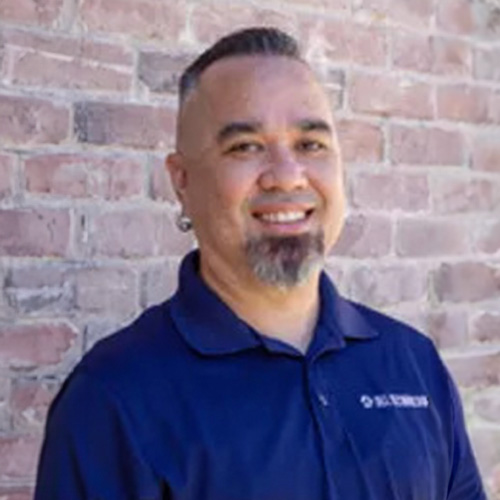
Christopher Fischer
IT Manager, DLL Techs
Christopher Fischer is IT Manager at DLL Techs, an MSP based in Southern California that has been in business for 19 years. The company focuses on the smaller end of the SMB market, typically serving clients with 5 to 50 endpoints across a variety of verticals.
Christopher described how ConnectWise’s complexity required dedicated staff time to maintain, how billing discrepancies and unanswered support requests drove his decision to leave, and how migrating to Syncro effectively gave him back the equivalent of one employee in recovered time.

Michael Paranich
Director of Operations, August eTech
Michael Paranich is the Director of Operations at August eTech, an MSP based in Central New Jersey that has been in business since 2001. The company serves small to large customers ranging from 4 to 300 end users, with a specialty in biopharmaceutical compliance including HIPAA and FDA requirements.
Michael detailed seven account rep turnovers in three years at ConnectWise, a critical support incident where a ConnectWise technician uninstalled one-third of his agents, and how Syncro’s intuitive design eliminated the hours per week he previously spent maintaining ConnectWise.
Share
Related Resources